

Affiliate disclosure: This article contains affiliate links. If you purchase through them, I may earn a small commission at no extra cost to you. This does not influence my opinion.
If you’ve spent any time researching natural weight management products, you’ve probably come across African mango. Nutrina African Mango is one of the many supplements built around this ingredient, and its marketing promises to reveal “weight loss secrets” hidden in the extract. But does the product live up to the hype? In this review, I look at what’s in the bottle, what the research says, and who might (or might not) benefit from it.
Product Overview
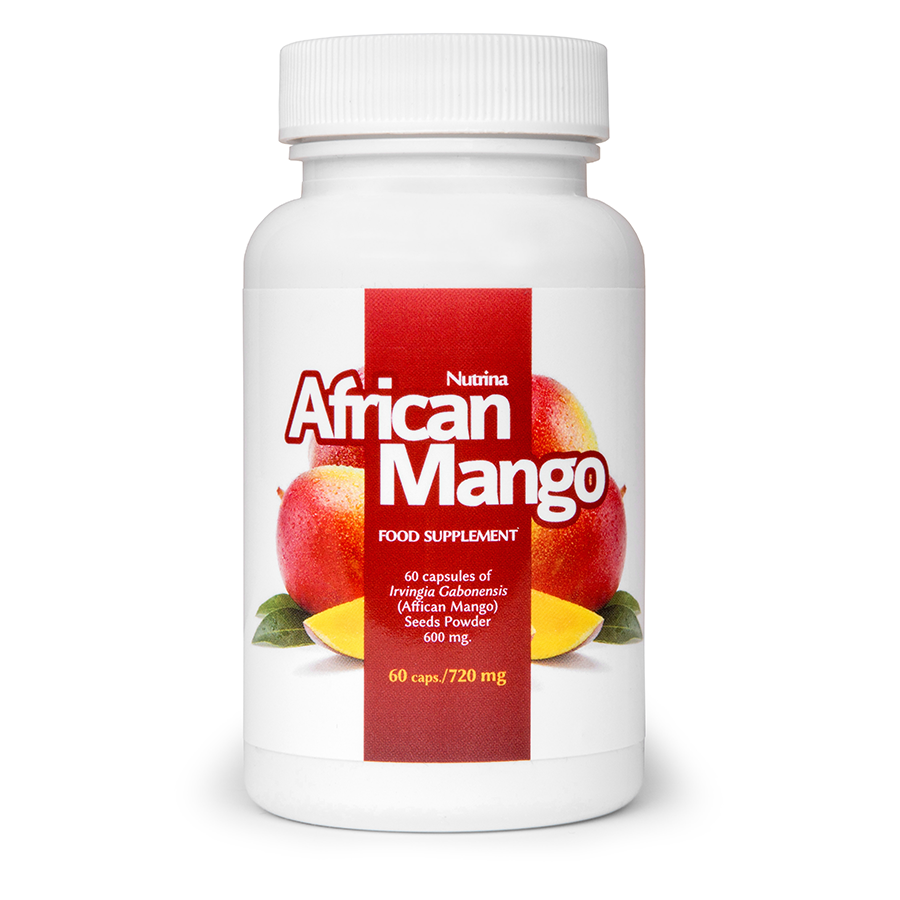
Nutrina African Mango is a food supplement sold in a bottle of 60 capsules, with a strength of 2000 mg per serving according to the packaging. It’s presented as suitable for vegetarians and vegans, which makes it more accessible than supplements with gelatin capsules or animal-derived ingredients.
Quick specs:
- Brand: Nutrina
- Product type: Food supplement
- Main ingredient: African mango extract (Irvingia gabonensis)
- Strength: 2000 mg
- Quantity: 60 capsules
- Diet suitability: Vegetarian and vegan (as stated on the pack)
What Is African Mango?
African mango, also known as wild mango or bush mango, is a tree native to West and Central Africa. The fruit has been used for centuries in local cooking, and its seeds are traditionally ground into a paste used to thicken soups and stews. In supplement form, the extract comes from the seeds and is sold mainly for weight management.
The interest in African mango grew in the early 2010s, when it was promoted as a natural way to reduce appetite and body fat. Since then, it has become a staple of online supplement stores, including Amazon.

How It Is Supposed to Work
Manufacturers usually claim that African mango extract may help in three ways:
- Appetite control: It’s said to influence leptin, a hormone involved in feeling full.
- Fat metabolism: It’s said to support how the body processes and stores fat.
- Blood sugar and cholesterol: Some studies suggest a possible effect on glucose and lipid levels.
These claims sound appealing, but it’s important to separate marketing from evidence.
What Does the Research Say?
Several small clinical studies have looked at Irvingia gabonensis. Some reported modest reductions in body weight, waist size, and cholesterol compared with a placebo, usually over 10 weeks or less.
However, there are important limitations:
- Most trials involved small groups of participants.
- Several were short and conducted by the same research teams.
- Some had links to supplement manufacturers.
- There are no large, long-term studies proving lasting weight loss.
In short, the evidence is promising but limited. African mango may offer a small benefit for some people, but it’s not a miracle solution, and the dramatic claims in advertising should be taken with caution.
Pros of Nutrina African Mango
- Plant-based formula: A good option for vegetarians and vegans.
- Simple daily routine: 60 capsules make it easy to follow a structured course.
- Accessible price: Usually cheaper than many premium fat-burner supplements.
- Widely available: Easy to order online, including through Amazon.
- Natural ingredient: Based on a traditional fruit rather than synthetic stimulants.
Cons of Nutrina African Mango
- Limited evidence: Scientific support is modest.
- Unrealistic marketing: Phrases like “weight loss secrets” can raise expectations too high.
- Results vary: Many people may notice little or no difference.
- Possible side effects: Some users report headaches, bloating, gas, or sleep difficulties.
- Not a standalone solution: It won’t replace a balanced diet or physical activity.
Possible Side Effects and Safety
African mango is generally considered well tolerated in short-term use, but supplements can affect people differently. Reported side effects include mild digestive discomfort, headaches, and flatulence.
You should speak to a doctor or pharmacist before taking it if you:
- Are pregnant or breastfeeding
- Take medication for diabetes, cholesterol, or blood pressure
- Have a chronic medical condition
- Are under 18
Always follow the dosage instructions on the label and never exceed the recommended amount. Remember that food supplements are not medicines and should not replace a varied diet or a healthy lifestyle.
How to Get the Best Results
If you decide to try it, a supplement works best as a small part of a bigger plan:
- Eat a balanced diet rich in vegetables, protein, and fibre.
- Move regularly: even 30 minutes of walking a day makes a difference.
- Sleep well, since poor sleep affects appetite hormones.
- Stay hydrated.
- Track your progress over 8 to 12 weeks rather than expecting quick changes.
Who Is It For?
Nutrina African Mango may suit you if you’re curious about plant-based supplements, you already follow a healthy routine, and you want to try something extra with realistic expectations. It’s probably not for you if you’re hoping for fast, dramatic weight loss without changing your habits.
Final Verdict
Nutrina African Mango is an affordable, plant-based supplement built on an ingredient with some interesting but limited research behind it. The packaging promises a lot, but the reality is more modest: any benefit is likely to be small and works best alongside healthy eating and exercise.
My rating: [X/5]
If you’d like to try it, you can check the current price and customer reviews here: [Check price on Amazon: insert your affiliate link]
Frequently Asked Questions
How many capsules should I take per day?
Follow the instructions printed on the packaging, as the dose may differ by product version.
How long does it take to see results?
Studies typically ran around 10 weeks, and any effects were modest. Individual results vary.
Can I take it with other supplements?
Ask your doctor or pharmacist, especially if you take medication.
Is it safe for vegans?
The packaging states it is suitable for vegetarians and vegans, but always check the label of the version you buy.